
B2C, mostly cold readers over 40. Their main need is to understand knee stiffness after sitting, learn safe daily habits, and decide whether professional care is needed. Product familiarity is low. The main objection to purchasing is concern that a supplement may be promoted as a substitute for medical care. purchase physical product Separate block with a short, neutral explanation and one button Once, in the middle-to-late portion of the article, after general care, nutrient context, and supplement safety information native presentation link/button
- Lead with a concise answer because ranking health pages satisfy the immediate question before discussing care options.
- Use descriptive subheadings, short paragraphs, and practical movement advice to serve cold informational visitors.
- Place safety guidance before any commercial link. This supports trust and matches the reader’s health concern.
- Use one contextual button rather than repeated banners. A single relevant action is less disruptive on a medical education page.
- Use neutral language such as “learn about ingredients” instead of promises about pain, arthritis, cartilage, or mobility.
- Use professional-care guidance as the primary action when symptoms are severe, persistent, swollen, warm, injured, or unstable.
- Match the CTA to the buyer journey: education first, ingredient review second, healthcare consultation when symptoms require evaluation.
Why Do Knees Feel Stiff After Sitting? Why do knees feel stiff after sitting? Learn common causes, safe movement tips, exercise ideas, warning signs, and when to seek medical care.
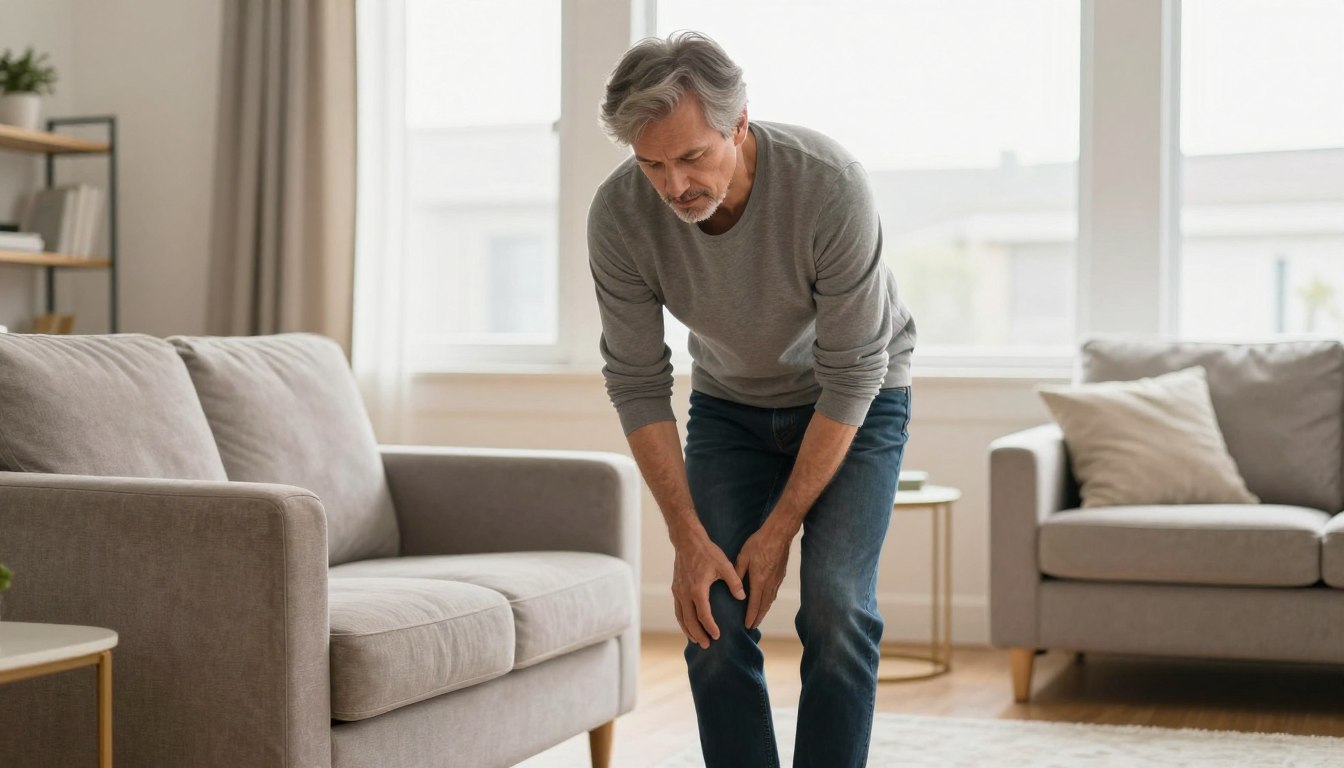
Standing after a long meeting, car ride, or television show can make your first few steps feel slow and uncomfortable. The stiffness may fade as you move, but it can still be frustrating.
In many cases, a knee does not like staying in one position for too long. Yet repeated or worsening symptoms deserve attention. This guide explains common reasons, safe ways to move, and signs that call for professional care.
Quick Answer: Why Do Knees Feel Stiff After Sitting?
Knees may feel stiff after sitting because the joint and the tissues around it have been still. Prolonged inactivity can make movement feel less smooth at first. Muscles may also become tight, weak, or slow to engage.
Age, a previous injury, body weight, activity changes, and conditions such as osteoarthritis can also play a role. Stiffness that eases after a few careful steps is often different from pain that persists or keeps getting worse.
There is no way to identify the cause from one symptom alone. Pay attention to duration, swelling, warmth, stability, and how the knee responds to daily activities. A healthcare professional can assess symptoms and recommend suitable care.
Simple starting point: Change position regularly, stand gradually, and take a short, comfortable walk. Stop if movement causes sharp pain, increasing swelling, or a feeling that the knee may give way.
Why Knees May Stiffen After Inactivity
Stillness changes how movement feels
When you sit for long periods, the knee stays in a limited position. The muscles around the knee, hip, and thigh are not working through much movement. When you stand, those tissues must quickly support your body again.
This transition can feel stiff even when there is no serious injury. The sensation may improve as blood flow and muscle activity increase. Moving gently can help the body adjust to the new position.
Joint tissues may need time to warm up
A joint contains several tissues that work together. These include cartilage, ligaments, tendons, muscles, and a small amount of lubricating fluid. Rest does not automatically damage these structures, but a sudden change from stillness to movement may feel uncomfortable.
People often describe this as “gelling.” The term is informal. It does not identify a specific condition. It simply describes stiffness after rest that may lessen with movement.
Long sitting can affect more than the knee
Sitting long may also keep the hips and lower back in one position. Tightness in the back of the thigh or weakness in the hips can change how forces move through the leg. The knee may then feel like it is doing more work.
Common Factors That Can Contribute to Knee Stiffness
Age and normal changes
As people age, muscle strength, flexibility, balance, and recovery can change. Cartilage and other joint tissues may also change over time. These changes do not prove that a person has arthritis or osteoarthritis.
Age is one factor among many. Regular activity, sleep, body weight, past injuries, and general health also matter.
Muscle weakness or tightness
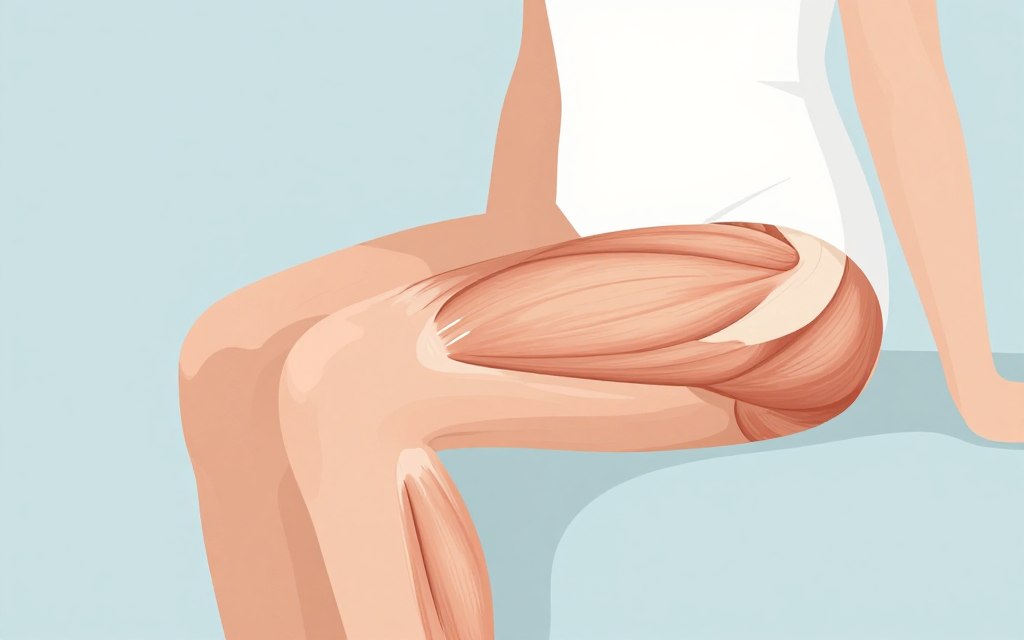
The quadriceps at the front of the thigh help control standing, stairs, and walking. The hips and core also support leg movement. If these muscles are weak, the knee may feel less steady or more tired during activities.
Tight muscles can limit comfortable range of motion. Stretching should be gentle. A strong pulling feeling may be acceptable, but sharp pain is a reason to stop.
Previous injuries
Old knee injuries can affect movement patterns long after the original event. Sprains, ligament problems, meniscus injuries, or fractures may leave lasting changes. New stiffness after a recent fall or twist needs appropriate evaluation.
Body weight and activity patterns
Body weight can affect the load placed on the knee during walking, stairs, and standing. This is not a matter of blame. Small, sustainable health changes may support overall joint health.
A sudden increase in exercise can also irritate tissues. The same may happen after a long period of inactivity followed by intense activity. Gradual progress is usually easier for the body to manage.
Health conditions
Several conditions can cause knee stiffness or knee pain. Osteoarthritis is one possibility, but it is not the only one. Inflammatory arthritis, gout, bursitis, tendon problems, and referred pain from the back may have different patterns.
A clinician may ask about morning stiffness, swelling, other joints, fever, injuries, and daily function. That information helps guide the next step.
| Pattern | What it may suggest | Helpful next step |
| Brief stiffness after sitting | A response to stillness, muscle tightness, or activity habits | Change position and try gentle movement |
| Stiffness with repeated swelling | Irritation or an underlying joint condition | Arrange a healthcare evaluation |
| Pain after a twist or fall | A possible injury that needs assessment | Protect the knee and seek medical guidance |
| Knee giving way | A stability or strength concern | Avoid risky activity and contact a clinician |

Gentle Movement: How to Loosen Stiff Knees Safely
The goal is not to force the knee. The goal is to help it move in a comfortable range. Begin slowly, especially after sitting long or staying in one position for long periods.
Use a gradual transition
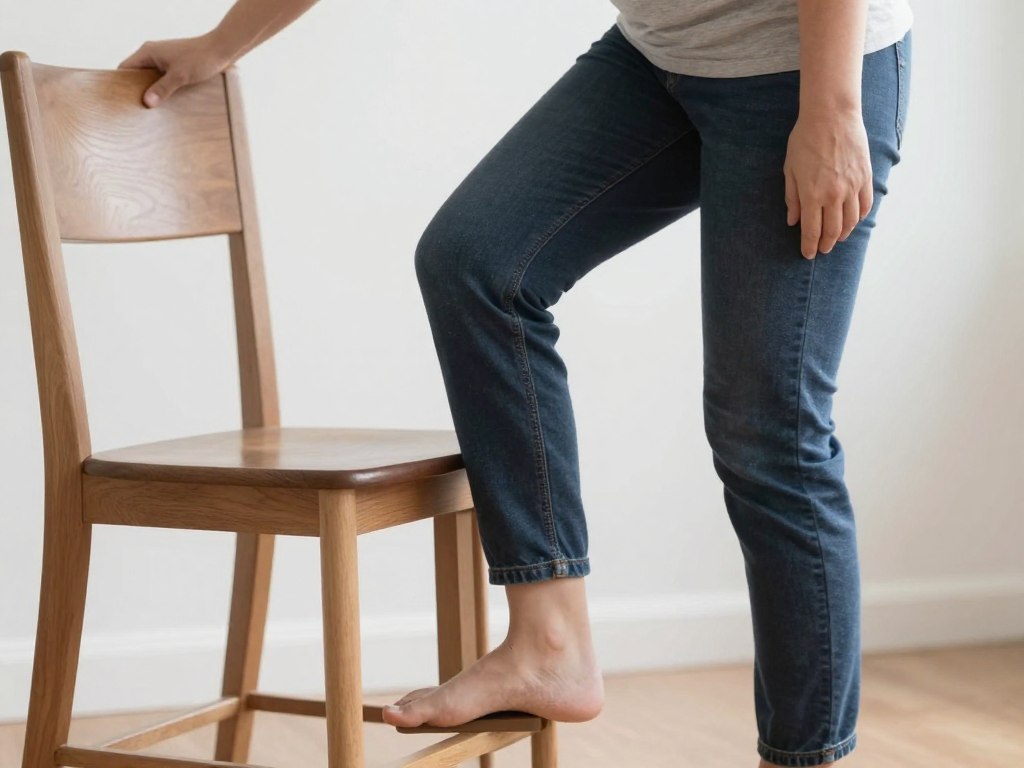
- Move your ankles and gently straighten one leg before standing.
- Place both feet under you and rise with support if needed.
- Stand still for a moment before walking.
- Take a few short steps on a clear, level surface.
- Change position before stiffness becomes severe.
Try comfortable range of motion
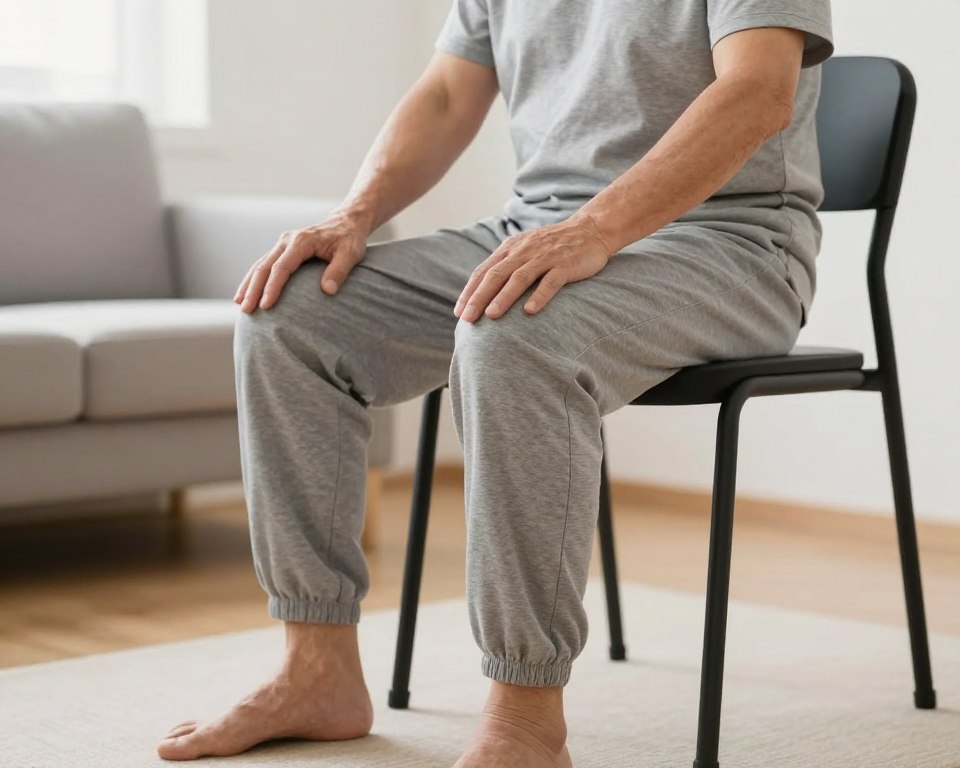
While seated, slowly slide one foot forward until the leg is more straight. Then return it without forcing the joint. Repeat on the other side. Another option is a gentle heel slide while lying down, if that position is comfortable.
These are general examples, not a personal therapy plan. The right movement depends on strength, balance, injury history, and medical conditions. A physical therapist can teach safer options when symptoms limit activity.
Build movement into the day
A brief walk around the room, a few standing breaks, or a change in position can interrupt long sitting. Use a timer if work or travel makes it easy to lose track of time. During a long trip, follow safety advice for movement and circulation.
Low-Impact Exercise and Muscle Strength
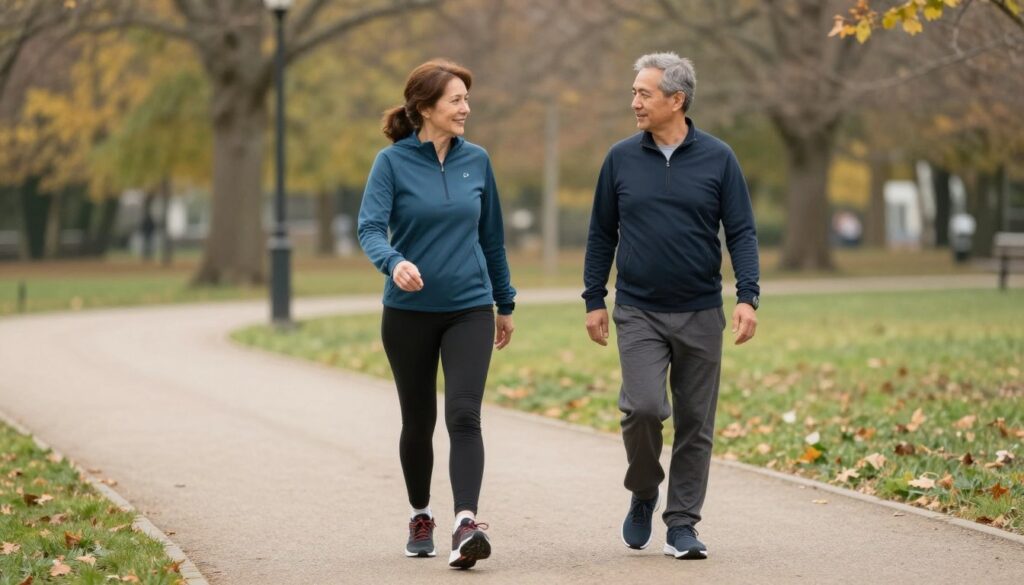
Regular exercise can support muscle function, balance, heart health, and daily movement. Low-impact activities place less jarring force on the joints than running or jumping. Examples include walking, cycling, swimming, water exercise, and an elliptical machine.
Progress slowly
If you have been inactive, start with a manageable amount of activity. Increase only one feature at a time, such as duration or frequency. A sudden change in distance, hills, speed, or resistance may increase knee pain.
Comfort matters during and after exercise. Ongoing worsening pain, new swelling, or reduced function is a reason to pause and ask a healthcare professional for advice.
Strengthen the support system
Strength work can target the quadriceps, hamstrings, hips, and calves. Examples may include sit-to-stand practice, supported mini-squats, step-ups, or resistance exercises. The proper form and load depend on the person.
Keep movements controlled and use a stable surface. Do not hold your breath. If you have knee injuries, balance concerns, or a health condition, ask a professional to help select exercises.
Walking
Choose a level route and a pace that allows comfortable conversation.
Water exercise
Water can reduce some load during movement while still allowing activity.
Strength work
Use controlled exercises that support the thigh and hip muscles.
Daily Habits That Support Joint Health After 40
Weight and nutrition
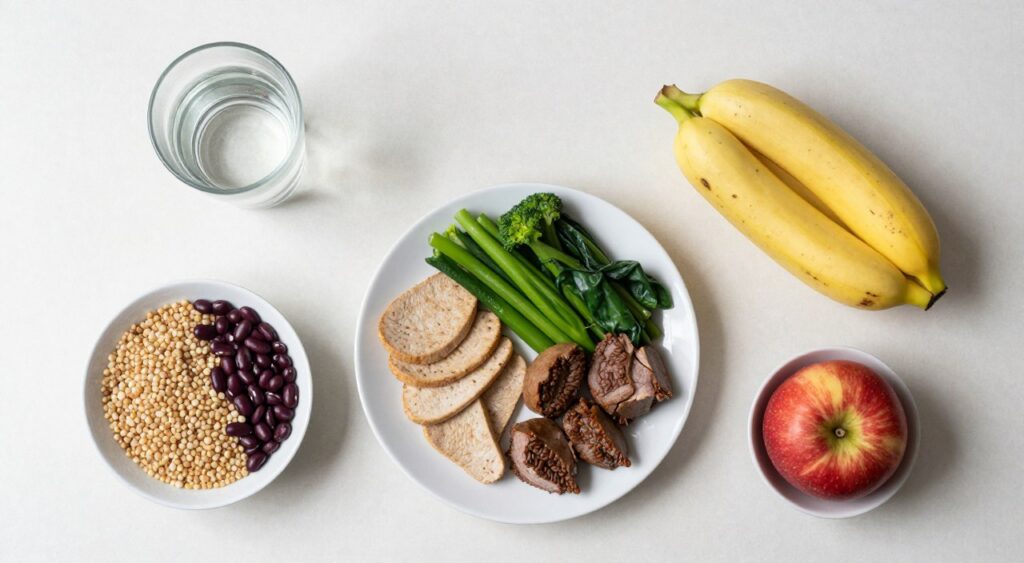
A balanced eating pattern can support energy, muscle, bone, and general health. Build meals around vegetables, fruit, beans, whole grains, lean proteins, nuts, seeds, and healthy fats. No single food can explain or fix knee symptoms.
If weight loss is a personal health goal, gradual changes are more practical than extreme diets. A doctor or registered dietitian can offer guidance that considers medications, health conditions, and preferences.
Hydration
Water needs vary with body size, activity, climate, and medical conditions. Regular fluids support normal body functions, but drinking extra water is not a treatment for arthritis or knee pain.
Sleep and recovery
Poor sleep can affect energy, mood, and how the body handles discomfort. Keep a consistent sleep schedule when possible. A comfortable pillow position and a calm bedtime routine may help support rest.
Work and travel habits
Adjust your chair so your feet can rest on the floor. Avoid keeping the knee in one position long when you can safely change it. During travel, plan sensible movement breaks and avoid rushing when standing.
Nutrients Studied for Joint and Bone Health
Researchers have studied several nutrients in relation to bones, muscles, inflammation, and general joint function. Learning about them does not mean that a supplement is needed. Food, medical history, and laboratory results all matter.
Vitamin D
Vitamin D supports bone health and muscle function. Sun exposure, food, and supplements may contribute to vitamin D levels. Too much from supplements can be harmful, so discuss testing and appropriate use with a clinician.
Calcium
Calcium is important for bones and muscle contraction. Dairy foods, fortified alternatives, tofu made with calcium, and some leafy greens can provide it. A healthcare professional can help determine whether additional calcium is appropriate.
Omega-3 fats
Omega-3 fats are found in foods such as salmon, sardines, walnuts, and flaxseed. They are being studied for several health roles. They should not be described as a cure or treatment for arthritis or knee pain.
Other ingredients
Glucosamine, chondroitin, collagen, turmeric compounds, and other ingredients have been studied for joint-related concerns. Research findings vary, and products may differ in quality, dose, and labeling. Evidence for one ingredient does not prove that every product works.
Use reliable sources such as the NIH Office of Dietary Supplements, NCCIH, and the FDA dietary supplement information. These sources can explain known limits and safety concerns.

Where a Joint Supplement May Fit
Joint Genesis is one commercially available dietary supplement intended to support general joint health. It is not a diagnosis or a replacement for evaluation, physical activity, balanced nutrition, or prescribed care. The article does not present it as medically proven.
Inspect the current ingredient label before making a decision. Consult a healthcare professional or pharmacist if you take medications, are pregnant or breastfeeding, have allergies, or have an existing health condition. Dietary supplements can interact with medicines, and “natural” does not always mean risk-free.
Review the current product information
Read the ingredient label and product details before deciding whether this type of supplement fits your broader health routine.
When Knee Symptoms Need Medical Attention
Brief stiffness after sitting may improve with careful movement. However, persistent or severe symptoms should not be ignored. A qualified healthcare professional can review the full pattern and determine whether testing, therapy, or another type of care is needed.
Seek prompt care for warning signs
- A major injury, fall, twist, or direct impact
- Inability to put weight on the leg
- A knee that looks deformed or suddenly becomes very swollen
- Redness, warmth, fever, or feeling acutely unwell
- A knee that locks, repeatedly gives way, or feels unstable
- Severe pain that does not settle with rest
- Numbness, unusual weakness, or a change in foot color
Arrange an evaluation for ongoing problems
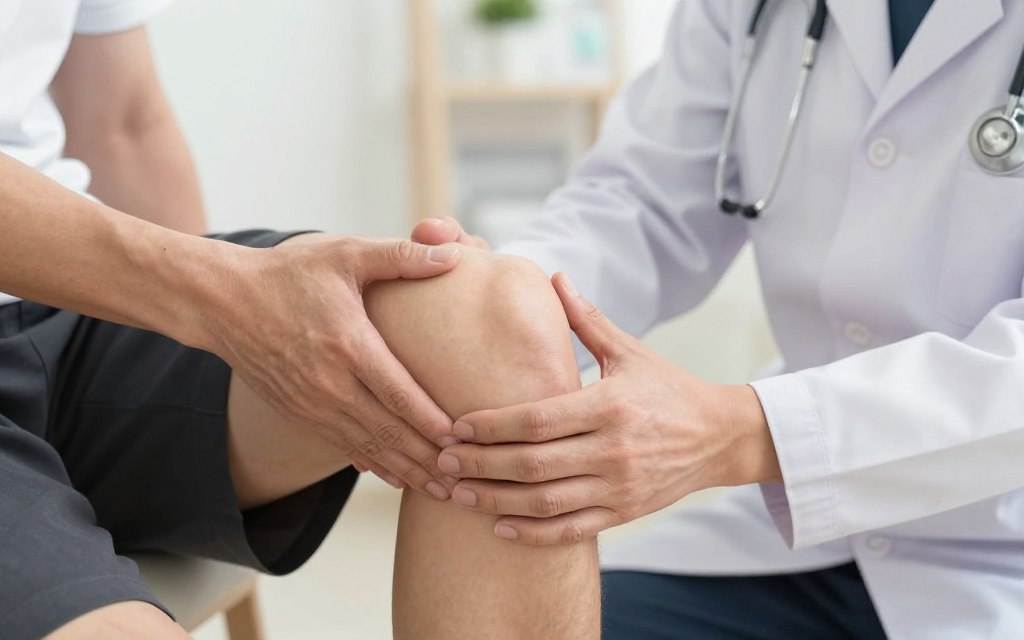
Make an appointment if stiffness keeps returning, lasts for weeks, limits work or sleep, or affects stairs and walking. Also seek advice if several joints are stiff, symptoms are worse in the morning for a long time, or the knee is gradually losing function.
Write down when symptoms occur, how long they last, what activities affect them, and whether swelling or warmth appears. This record may help the clinician understand the pattern.
Important: This article is for general informational purposes only and is not a substitute for medical diagnosis, treatment, or advice from a qualified healthcare professional.
Frequently Asked Questions About Stiff Knees After Resting
Is it normal for knees to feel stiff after sitting?
It can happen, especially after sitting long or keeping the knee bent. Stiffness that quickly eases with gentle movement may relate to inactivity. Repeated, severe, or worsening symptoms should be discussed with a healthcare professional.
How can I loosen stiff knees after a long period of sitting?
Move your ankles, slowly straighten the legs, stand with support, and walk a few comfortable steps. Avoid forcing the range of motion. Stop if you notice sharp pain, swelling, instability, or a clear increase in symptoms.
Can sitting long cause osteoarthritis?
Sitting alone does not establish that someone has osteoarthritis. Long periods without movement may make existing stiffness more noticeable. Osteoarthritis has several possible risk factors and requires professional assessment rather than self-diagnosis.
Does exercise help knee stiffness?
Appropriate exercise can support muscle strength, balance, and general health. Low-impact activity and gradual strengthening are common approaches. The safest plan depends on symptoms, injuries, fitness level, and other conditions.
Should I use ice or heat?
Some people find cold or warmth comfortable, but neither identifies the cause of stiffness. Protect the skin, avoid extreme temperatures, and ask a healthcare professional what is suitable if swelling, injury, reduced sensation, or circulation problems are present.
When should I see a knee specialist?
Consider an evaluation when symptoms persist, interfere with daily life, follow an injury, or include swelling, warmth, locking, or instability. Start with a primary care professional if you are unsure which specialist is appropriate.

A Balanced Approach to Knee Stiffness
Knee stiffness after sitting is often linked to the change from stillness to movement. Muscle tightness, weakness, age, previous injuries, body weight, activity patterns, and health conditions can also affect how the knee feels.
Try practical habits first: change position regularly, stand gradually, move through a comfortable range, and choose low-impact exercise that fits your ability. Support these habits with balanced food, adequate fluids, good sleep, and a gradual approach to activity.
Do not use a supplement as a substitute for medical care. Persistent pain, swelling, warmth, redness, injury, locking, or instability deserves professional attention. Safe daily movement and timely guidance can help you make better decisions about your knee and overall health.
Trusted Health Information Sources
For additional information, consult authoritative health resources rather than relying on product claims or online self-diagnosis.
- Centers for Disease Control and Prevention: Physical Activity
- MedlinePlus: Knee Pain
- NIAMS: Osteoarthritis
- FDA: Dietary Supplements
Affiliate disclosure: This article contains an affiliate link. If you purchase through it, we may earn a commission at no additional cost to you. This does not influence the educational information presented in this article.